If you are getting your Weston home ready to sell, appraisal and inspection prep can feel like one more stressful layer. The good news is that you do not need perfection. What matters most is visible maintenance, easy access, and organized paperwork that supports your home’s condition and history. Let’s walk through what really matters so you can prepare with confidence.
Why appraisal and inspection prep matters
An appraisal and a home inspection are not the same thing, but both can affect your sale. An appraisal is an independent opinion of value, often based in part on nearby comparable properties. A home inspection is a separate review of the property’s visible condition and systems.
For sellers in Weston, the smartest approach is practical, not cosmetic. A beautifully staged home can help with presentation, but it does not replace repairs, permit records, or safe access to important areas of the property.
What appraisers review in Weston
Appraisers look at value, condition, and comparable sales. They complete a visual inspection of accessible areas and report visible adverse conditions, deterioration, and needed repairs when they see them.
That means your focus should be on issues that are clearly noticeable and reasonably fixable before the visit. Minor wear may not stop a transaction if it does not affect safety, soundness, or structural integrity, but it can still appear in the report.
Condition matters more than decor
Fresh flowers, clean counters, and styled rooms are helpful for showings. For an appraisal, though, condition carries more weight than decor.
If the appraiser sees maintenance concerns such as cracked glass, missing handrails, minor plumbing leaks, or worn finishes, those items may still be noted. In some cases, more serious deficiencies can lead to repair conditions before a loan moves forward.
Accessible areas need to be reachable
Appraisers inspect accessible parts of the property. If key spaces are blocked, cluttered, or difficult to enter, that can slow down the process and create unnecessary questions.
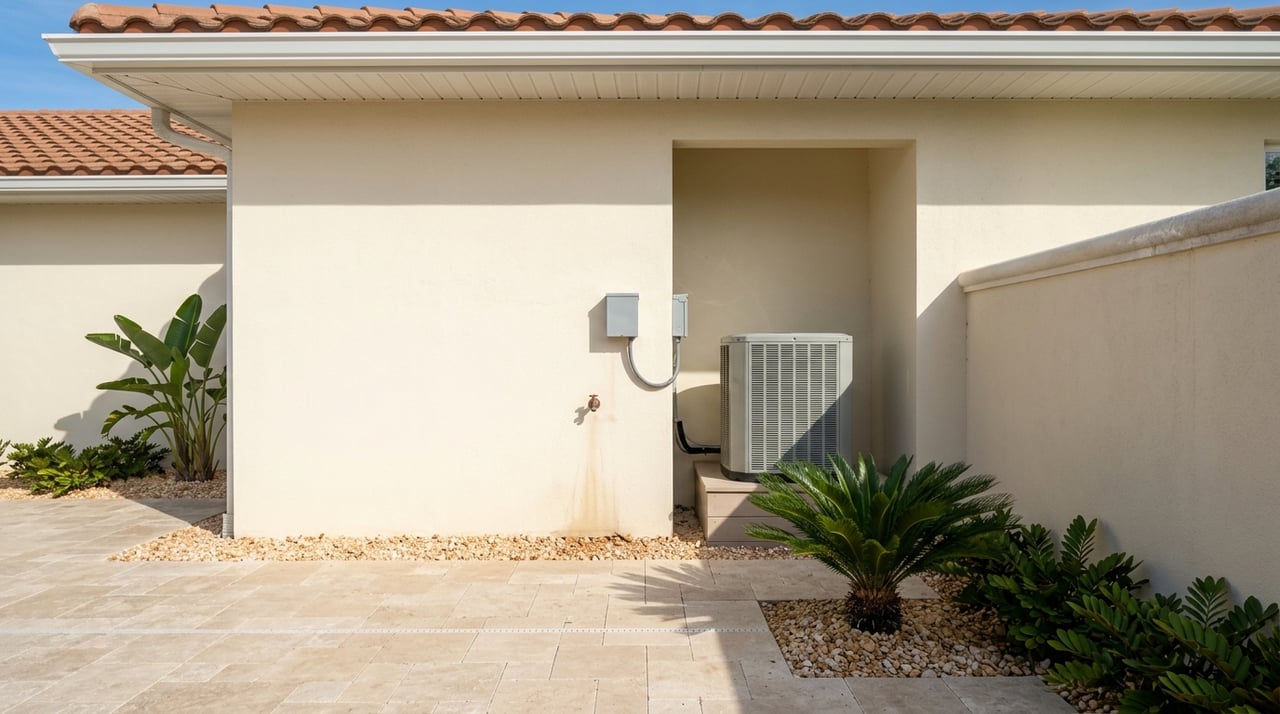
Before the appointment, make sure there is clear access to the attic, electrical panel, HVAC areas, water heater, garage, and exterior equipment. If a gate, utility room, or storage area is normally locked, plan ahead so it can be opened easily.
What inspectors typically focus on
In Florida, home inspections are organized around major components such as the structure, electrical systems, HVAC systems, roof covering, plumbing, interior components, exterior components, and site conditions that affect the structure.
In plain terms, inspectors are often focused on function, safety, and obvious signs of deferred maintenance. Roof concerns, leaks, electrical issues, plumbing problems, and system performance are common attention points.
The roof and exterior deserve early attention
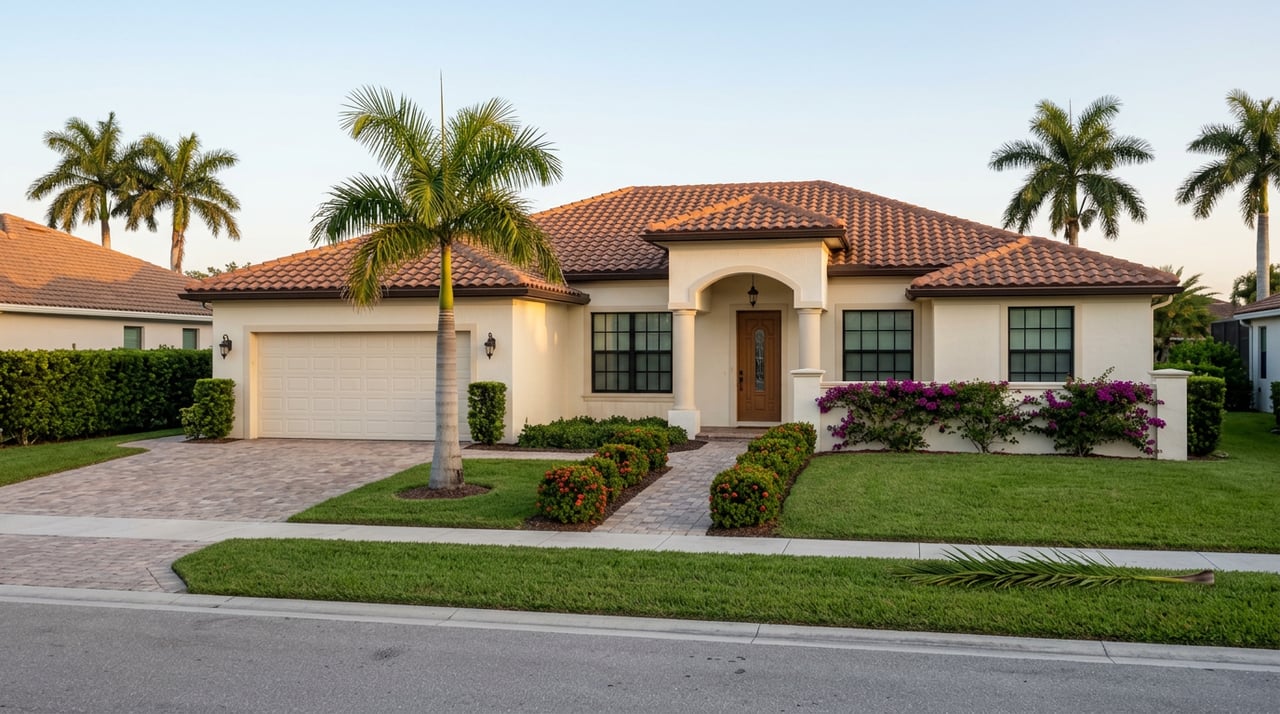
In South Florida, the roof and exterior condition often carry extra weight. If there are missing tiles, signs of water intrusion, clogged gutters, or overgrown trees touching the roofline, those are smart items to address early.
Florida mitigation guidance also highlights features such as clean gutters, shutters, reinforced garage doors, roof repair or replacement, roof-to-wall connectors, and trimmed trees. Even when these items are not central to value, they can help support a smoother inspection process and stronger documentation.
Weston-specific items sellers should verify
Weston sellers have a few local issues that deserve extra attention before listing or closing. This is where local preparation can make a real difference.
Check permit history before you list
Weston’s Building Code and Permitting Services department allows owners to search permit history, review permit status, and schedule inspections through its ePermits system. The city also warns sellers to disclose improvements or repairs and whether permits and inspections were obtained.
This matters because some lenders may not finance a home without proof of final inspection for completed work. The city also notes that unpermitted work may not count toward value and can lead to expensive corrections.
If you added or changed anything significant over the years, such as a roof, windows, plumbing updates, electrical work, or structural improvements, gather the final permit records now. It is much easier to handle this before a buyer is under contract.
Older homes may need 25-year reports
Broward County’s Building Safety Inspection Program requires structural and electrical inspections when certain buildings or structures reach 25 years of age, and then every 10 years after that. Weston’s program guidance says each report file needs one structural report and one electrical report per building.
If your home falls into that age range and those records apply, gather them before you go live or head toward closing. Missing documents can create delays at a point when everyone wants the transaction moving.
Wind-mitigation documents can help
Florida homeowners may benefit from wind-mitigation documentation because insurers must offer discounts for hurricane-loss mitigation when qualifying features are documented on the proper form. Features can include impact-resistant windows, reinforced garage doors, roof improvements, roof-to-wall connectors, shutters, trimmed trees, clean gutters, and working shutoffs.
If you have already completed a mitigation inspection, keep that paperwork handy. If you have invoices, warranties, or photos tied to qualifying upgrades, store those with your other seller documents.
Do not overlook required disclosures
Florida law requires a flood disclosure at or before contract execution. Florida law also requires disclosure of known defects in a sanitary sewer lateral before a contract is executed.
These are easy items to miss if you are focused only on repairs and showing prep. A well-organized seller packet helps you stay ahead of deadlines and avoid last-minute scrambling.
A practical appraisal and inspection checklist
The best prep plan is usually simple and focused. You are trying to reduce visible concerns, improve access, and organize proof of completed work.
Fix visible maintenance issues
Start with the obvious items that an appraiser or inspector can easily see:
- Repair minor plumbing leaks
- Replace cracked window glass
- Fix holes in window screens
- Secure missing handrails
- Touch up worn flooring or finishes where practical
- Replace burned-out bulbs
- Check that doors, locks, and latches work properly
These may seem small, but visible deferred maintenance can shape how the property’s overall condition is perceived.
Clear access to key areas
Make sure these areas are easy to reach:
- Attic access points
- Electrical panels
- HVAC closets and air handlers
- Water heater area
- Garage storage walls and utility spaces
- Exterior condenser units
- Side yards and gates
If storage has built up over time, this is worth tackling before the appointment. Clear access signals that the home has been cared for and makes the process smoother for everyone.
Gather documents in one place
Create a folder with:
- Permit finals
- Contractor invoices
- Warranties
- Photos of major improvements
- Wind-mitigation forms
- Structural and electrical safety inspection reports, if applicable
In Weston, permit history can affect both financing and value. Good documentation can answer questions quickly and help support your home’s story.
Refresh the exterior
A quick exterior reset can go a long way. Focus on practical upkeep more than elaborate landscaping.
Trim trees away from the roofline, clean gutters, secure loose outdoor items, and check visible roof or drainage concerns. This supports both presentation and the practical review of the property.
What staging can and cannot do
At The Scarberry Group, presentation matters because it helps buyers connect with your home from the start. Staging consultation, professional photography, and thoughtful marketing can absolutely strengthen your listing launch.
Still, staging is not a substitute for condition. If your home shows beautifully but has unresolved permit questions, visible leaks, or blocked access to major systems, those issues can still affect the transaction.
The strongest strategy is to pair polished presentation with practical prep. That combination helps your home show well, appraise more smoothly, and move through inspections with fewer surprises.
A smart Weston seller strategy
If you want to keep your sale moving, focus on the items that matter most. Fix visible defects, make the home easy to inspect, and organize documentation that supports the property’s permit history, safety status, and mitigation features.
That is the kind of steady, local preparation that can reduce stress once your home is under contract. In a market like Weston, where many sellers have owned their homes for years and completed updates over time, preparation is often what protects your timeline.
When you are ready to prepare your home for market with thoughtful guidance, staging support, and experienced local oversight, connect with Phyllis M Scarberry, P A.
FAQs
What should Weston sellers fix before an appraisal?
- Focus on visible maintenance and safety items such as leaks, cracked glass, missing handrails, worn finishes, and anything that affects accessible areas or overall condition.
What do home inspectors usually check in Weston, Florida?
- Florida inspections generally review structure, electrical, HVAC, roof covering, plumbing, interior components, exterior components, and site conditions that affect the structure.
Do permits matter when selling a home in Weston?
- Yes. Weston warns that sellers should disclose repairs and improvements and whether permits and inspections were obtained, because missing permit finals can create financing and value issues.
Can staging help a home appraise higher in Weston?
- Staging can improve presentation, but appraisal value still depends on factors like condition, comparable sales, and visible issues that may need repair.
What documents should I gather before a home inspection in Weston?
- Start with permit finals, contractor invoices, warranties, photos of improvements, wind-mitigation paperwork, and any required structural or electrical inspection reports if your property qualifies.